.png)







.svg)

10 Best Remote Prop Trading Firms


.svg)
पैसे कमाएं हमारी पूंजी का व्यापार
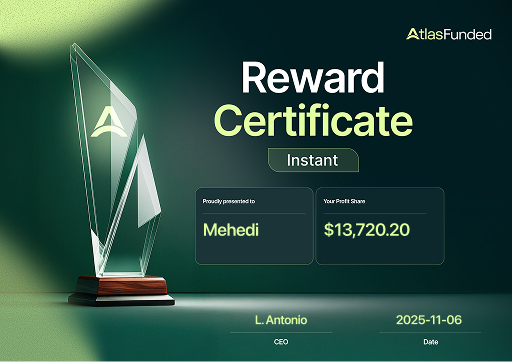

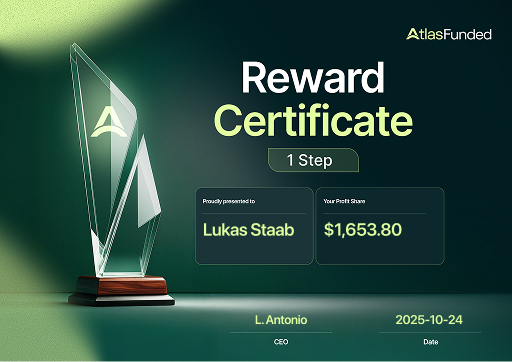
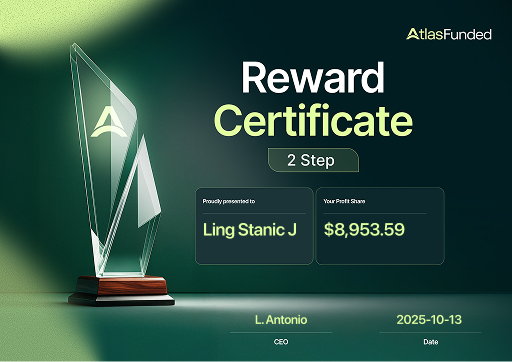
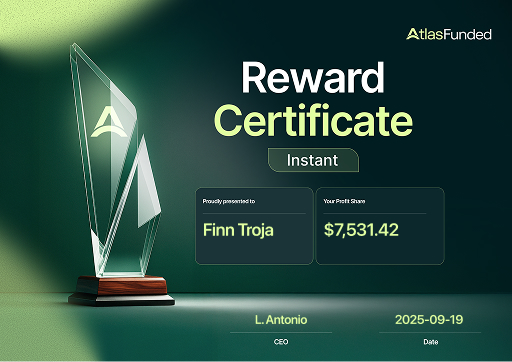


Ever used a prop trading firm when you didn’t want to use your own capital to trade? As you might’ve realized, these have pretty much exploded in popularity over the years since they let skilled traders like yourself get your hands on the kind of capital you’re only ever trading with if you’re a whale or some other large firm.
It’s the same kind of deal with modern remote prop firms; just anywhere you can get an internet connection. A lot of them make you do online evaluation challenges first - where you’ll usually get the most generous profit-sharing splits - but there are plenty of instant funded prop firm accounts out there, too.
As a trading firm ourselves, we’ve seen how these sorts of programs can help people become better traders without risking personal capital. The thing is, the market itself is saturated with prop firms, all offering the ‘best’ service. It’s a lot of noise to have to cut through. And not all of them are even legitimate.
So, throughout this guide, we’ll walk you through the top 10 remote prop trading firms from the perspective of people who actually design these platforms and know what separates good from bad. We’ll also touch on how they work and provide insights on choosing the best one for you. Let’s get going with a few basic definitions before we get into our list.
What Are Remote Prop Trading Firms?
As we’ve touched on, remote prop trading firms are proprietary trading companies that basically let you trade the firm’s capital rather than your own, but entirely online. You don’t need to work from a physical office or trading floor, for example.
So essentially, they give traders like yourself access to institutional-level capital while being based anywhere in the world.
How Are Remote Prop Firms Different from Traditional Trading Firms?
There are plenty of different types of prop firms out there - no challenge prop firms or no minimum trading days prop firms, for instance - but the main distinction between remote proprietary trading firms and traditional (office-based) prop firms is just accessibility and trader independence.
Your traditional prop trading firm is usually going to require you to be physically present in an office. These firms often:
- Hire traders as employees or contractors
- Provide in-house training
- Assign desks
- Closely monitor trading activity in real time
Your capital allocation is also discretionary, meaning you’ve actually got to earn trust internally over time to get the big balances. Yeah, these firms can offer some stability, but they often come with geographic limitations and way stricter oversight.
The thing is, you obviously didn’t get into prop trading to have someone looking over your shoulder while you try and make money. You just want fast access to a lot of cash so you can let your trading profit speak for itself.
If that’s something that resonates with you, we think you’ll like remote prop trading firms, since they take a very different approach. Instead of in-person interviews or trading floors, you’re qualifying through standardized online evaluations. Or not at all, sometimes, like we mentioned.
So, it’s your performance - not location, background or credentials - that determines whether you get funded. As you can probably tell, this model removes a lot of the traditional barriers to entry and opens the door to traders globally.
Ownership and Flexibility
With these remote prop firms, you’re working as an independent professional rather than an employee. You choose your own strategies, trading hours, setups - whatever - as long as you still follow your platform’s risk parameters. Again, forget about the commute or office politics; it’s just results-based trading.
From our perspective, this shift has been massive for the industry. Remote prop trading firms make professional trading a lot more merit-based and accessible.
Your biggest issue when trading is often staying in a position too long to actually make a worthwhile profit. For example, 3% of $100 is $3, but 3% of $10,000 is $300. Suddenly, that’s a good trade. You’re not waiting for your $100 position to 2x in value to look exciting anymore.
Traders who may never have had access to large capital or institutional infrastructure can now compete on a level playing field, purely based on skill and discipline.
That combination of freedom and opportunity is exactly why remote prop trading continues to grow so rapidly.
How Remote Prop Trading Firms Operate
Usually, remote prop trading firms make you follow a structured process so they’re only funding capable traders. Obviously, if there were no rules at all and anyone could just sign up for a small fee, these firms would be out of business pretty quickly.
So, firstly, you often have to undergo an evaluation (challenge). This is where you get a simulated account with specific profit targets and drawdown limits. For example, you’ll see a lot of these programs require hitting a modest profit goal (often 5-10%) within 30-60 days, while also staying within strict loss limits.
Now, passing the challenge might involve one or even two or more phases. But once that target’s met, you get a funded account with real money. You’re now trading the firm’s capital and sharing the profits - 80/20 in your favor is usually standard, though you can get 100% of the profits with our firm, Atlas Funded.
- Evaluation/Challenge: You’ve got to prove your trading strategy on a test account. The firm sets a profit target (somewhere around 5-10%) within a time frame, plus a maximum drawdown limit.
- Funding: After you’ve passed, you get your funded account. Like we’ve touched on, some firms even offer instant funding options or challenge refunds for high-tier programs.
- Risk Management: Funded accounts come with strict rules to protect capital. And that usually gets more strict the higher the starting account size you have. This can include anything from daily loss limits and maximum position sizes to no news-trading bans.
- Profit Sharing: Finally, profits from real trades are split between the trader and the firm. Profit shares vary by firm but often range from 70% up to 90% (or more) going to the trader.
Again, this model might seem a bit strict, but it’s just so the firm’s capital is safeguarded. Over time, you’ll usually get offered larger capital allocations if you’re trading successfully. Again, it’s that idea of meritocracy.
10 Best Remote Prop Trading Firms
Before we take a look at our favorite remote prop trading forms out there, it might help if you’ve got an idea of what each of them offers at a glance. These are the profit-split structures (payouts) for these top firms:
1. Atlas Funded
Atlas Funded takes the top of our list because we made it specifically for modern remote traders - not just some adapted old-school prop model. We know the reason you’ve decided to become a prop firm trader is because you want a convenient experience. So, from day one, we’ve just been trying to remove friction on your end and let you trade however you like
That’s one of the reasons we let you keep 100% of the profits you make. And make no mistake, that’s not something you’re going to see a lot of firms out there offer. Another thing we’re proud of is how flexible our payout system is. We let you make on-demand withdrawals, and if a payout isn’t processed within 24 hours, we’ll go ahead and add a bonus as compensation. That’s not just a nice promise - it’s written directly into our payout policy.
We also have accounts with no minimum trading days, so you don’t have to overtrade just to qualify for a withdrawal. Again, we just want to make trading as open and accessible for as many of you out there as possible.
Even on the accounts we do have challenges on, they’re all straightforward and realistic. Atlas Funded uses a single-phase challenge with an 8% profit target and a 4% maximum drawdown. There’s no second phase designed to trip you up after you’ve already proven yourself.
And then once you’re funded, you can trade on literally whatever platform you’re most comfortable on and across loads of major asset classes. And lastly, you’ll have access to 24/7 support, which matters more than people realize when real money is on the line and you’re trading remotely.
Pros
- 100% profit split with no scaling gimmicks or delayed increases
- On-demand payouts with a 24-hour guarantee
- Simple, single-phase evaluation with realistic targets
Cons
- Due to regulatory reasons out of our control, we’re unable to take on U.S. citizens
2. FTMO

FTMO is easily next on our list - it’s one of the most established names in remote prop trading - founded in 2015 - and you’re definitely seeing that longevity in terms of how structured their program is.
We’ve chatted a bit about how important avoiding scams are, so when you see a firm that’s backed by a Trustpilot rating of 4.8/5 and tens of thousands of reviews, you know they’re legit. For traders who value consistency and brand recognition, FTMO often feels like the “blue-chip” option.
It’d be giving us, at Atlas Funded, a run for our money if they had some instant funding options, but they unfortunately have an evaluation process with two phases. You’ve first got to reach a 10% profit target, then follow it with a second phase with a 5% target.
And throughout both of those phases, there are some strict risk limits, including a 5% daily loss cap and a 10% overall drawdown. That said, once you have been funded, you can earn up to 90% profit share, with payouts issued bi-weekly.
We also like how many educational resources FTMO offers - everything from a full trader academy and performance analytics to coaching tools. And like Atlas Funded, you’ve got plenty of platforms to trade on, such as MT4, MT5, cTrader and DXTrade, with access to forex, indices, commodities and crypto.
Pros
- Up to 90% profit split
- Long-standing reputation with strong public reviews
- Wide platform and asset support
Cons
- Very strict risk parameters, which can be a bit challenging for newer traders
3. Topstep
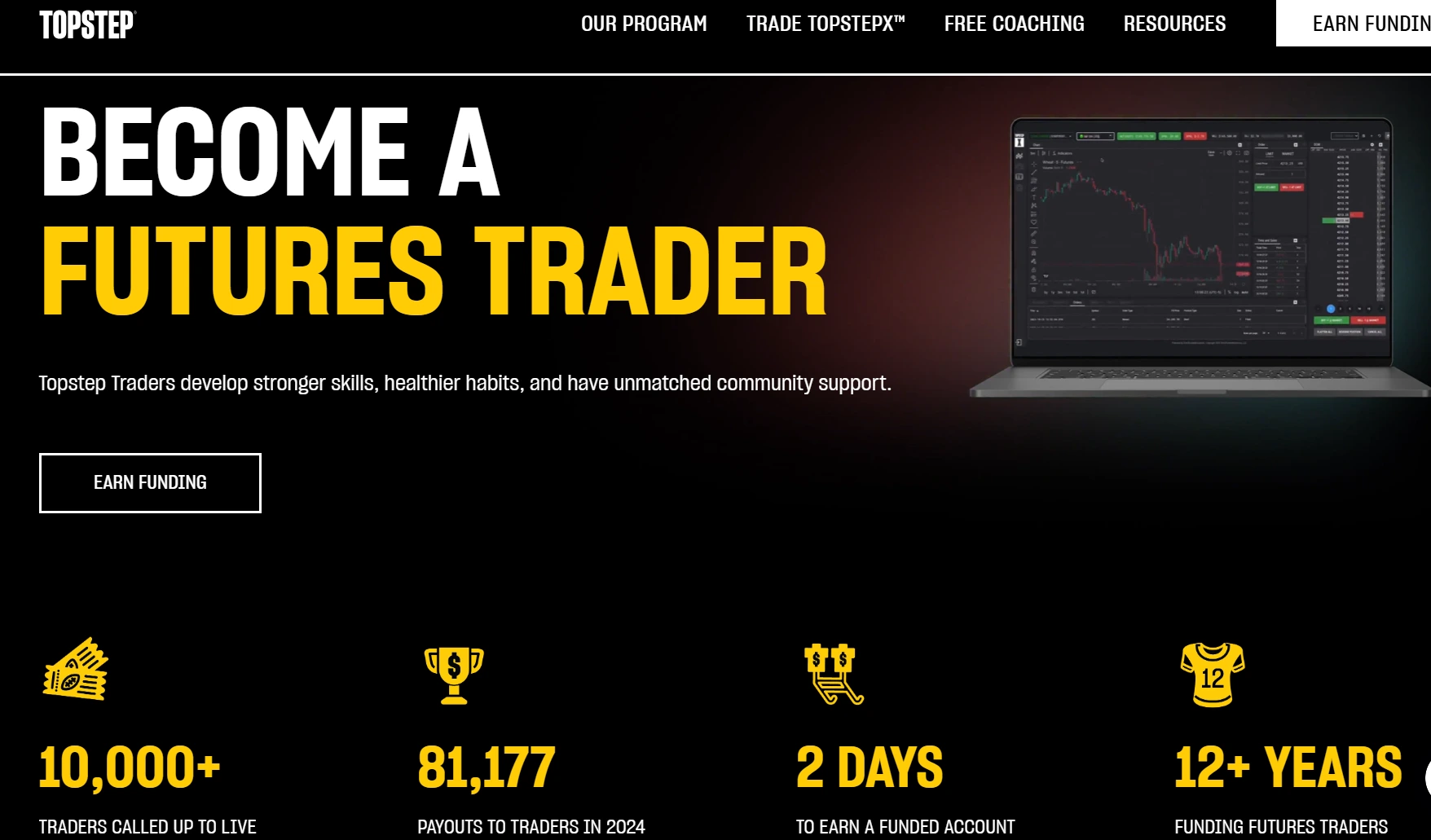
Next up, we’ve got Topstep, which is best known for futures trading and has been around since 2012. Look, we see a lot of firms that try to cover every market, and while that’s got its benefits in terms of diversifying your portfolio, it’s nice to have a platform that focuses almost exclusively on exchange-traded futures - and they do it well.
They call their evaluation program ‘the Trading Combine,’ and you’ve got to hit a profit target of $9,000 if you’re on their $150,000 account.
What’s cool is that the aforementioned account actually has zero activation fee. That said, it’s because they operate on a subscription model, which could possibly end up being more costly than just paying a one-time fee. So make sure you’re comfortable with that.
Other than that, another area we think Topstep stands out in is in terms of its payouts. You’ll be keeping 100% of the first $10,000 in profits, and 90% after that, which is one of the strongest structures we’ve seen in the futures prop space. And then once you’re funded and eligible, you can request payouts on a daily basis.
Another top feature here is the trader development options. They offer everything from free trial accounts to live coaching sessions - they’ve even got a Discord server, like Atlas Funded. Serious about futures? You can’t really go wrong with Topstep.
Pros
- Excellent payout structure (100% of first $10K)
- Strong educational resources and coaching
- Fast withdrawal access
Cons
- Futures-only, no forex or crypto access
4. The 5%ers

Moving on, we’ve got The 5%ers, who seem to take a more growth-oriented approach to prop trading and focus primarily on forex and indices.
Remember how we talked about platforms that made you scale your capital gradually once you prove yourself, rather than having you fast evaluations or the ability to start with large account sizes? The 5%ers are one of those. We don’t really like it, since you should have as little friction as possible, but you can end up with a seriously large account size, which is why it’s this high on our list.
You’ll start with relatively small account sizes - often around $6,000 - but these scale up to as much as $4 million over time. Same goes for the profit splits - not the highest at first, but they can reach up to 100% for top-performing trades. That’s one of the firm’s most defining features; its scaling model: when you hit those predefined performance milestones, your account size increases automatically.
Aside from that, your evaluation fees are relatively low, and unlike the previous firm, there aren’t any recurring subscription costs here, which definitely makes The 5%ers accessible to a wide range of traders.
In some cases, consistently profitable traders may even be offered salaried positions, which gives you a bit of income stability in addition to performance-based earnings. Overall, the model rewards patience and discipline a lot more than short-term risk-taking.
Pros
- High profit potential
- Automatic scaling system
- Low entry cost
Cons
- Strict performance and consistency rules
5. City Traders Imperium (CTI)

City Traders Imperium takes the fifth spot on our list. This one’s a London-based prop firm - it’s still remote, but it does actually offer a few traditional prop trading features, namely the salary-plus-profit option available to certain traders, so you’re getting a more stable income structure than most prop firms.
Like the previous option, CTI offers funding of up to a massive $4 million, which pretty much gets it a spot on this list alone. What’s more, though, some of the programs allow you to earn up to 100% of profits, depending on the plan.
Aside from that, you’ll have the ability to do news trading, which a lot of firms don’t, for some reason. They also support both MT5 and Match-Trader and process payouts within 24 hours, so that, alongside the audited performance tracking, makes it useful if you’re trying to build a professional trading résumé.
The only thing is, the firm operates primarily using simulated capital in its early stages, which means you’ve really got to demonstrate consistency before ever getting that $4 million account. But if you like structure and the possibility of a steady salary, CTI is definitely a more unique alternative to standard prop models that’s worth considering.
Pros
- High profit split options
- Fast payout processing
- Optional monthly salary
Cons
- Initial trading is simulated
6. OneUp Trader
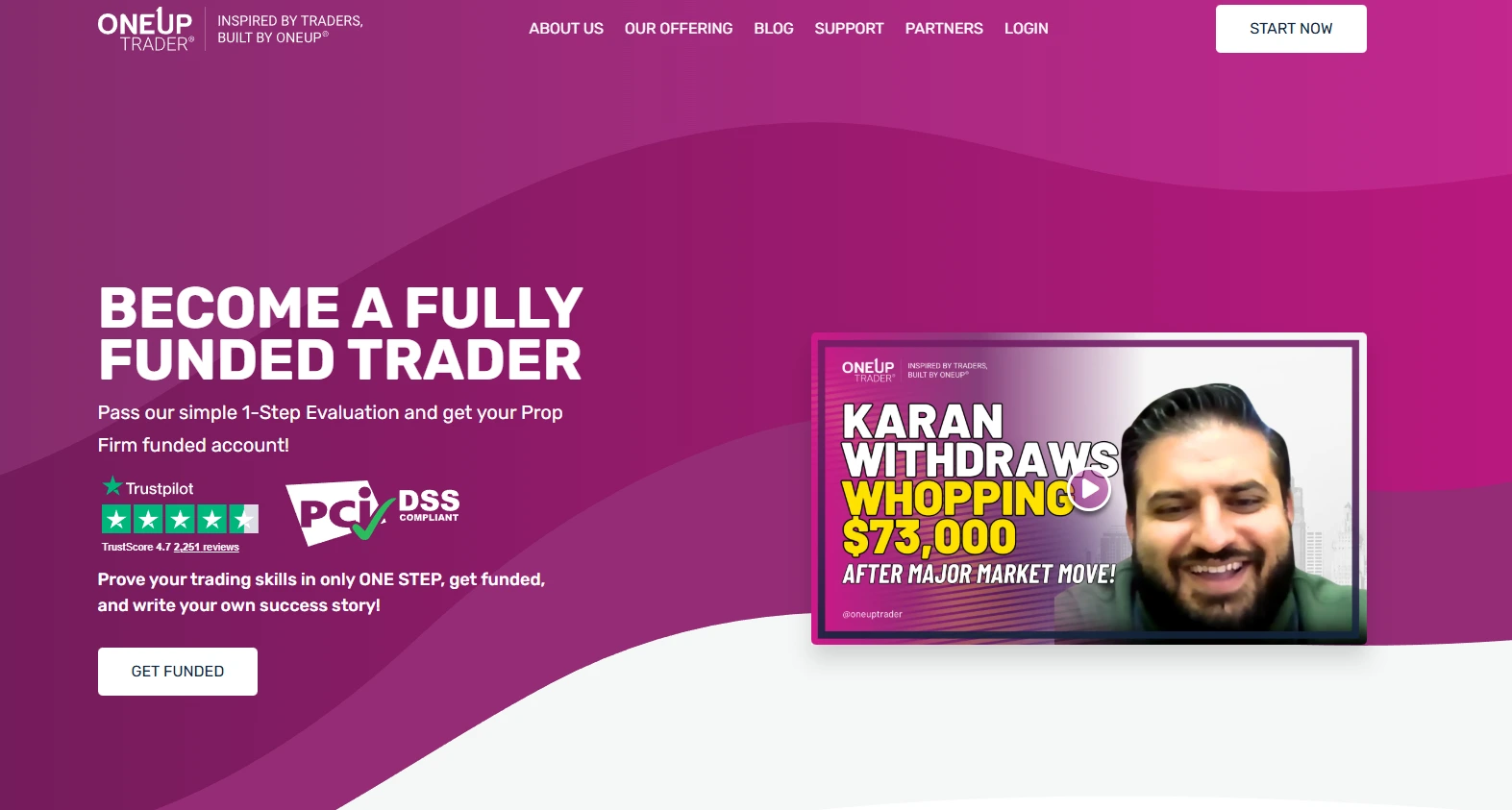
Moving on, we’ve got OneUp Trade, which is another futures-focused prop firm that’s mostly just known for having a straightforward evaluation process and transparent pricing. That’s always nice, but it’s not enough to get higher on our list. Basically, they only use a single-step evaluation, so it makes it easier for you to understand what’s required to get funded.
But one of its other key features is that you’ll keep 100% of the first $10,000 in profits, followed by a 90% split on profits beyond that level - pretty much exactly like Topstep.
Another thing we like about this prop firm is that they don’t have any hidden fees or recurring subscriptions like Topstep does, so if that’s a big thing for you, we’d suggest prioritizing OneUp Trader over Topstep. It’s just a nice plus for traders who want predictable costs.
Like we’ve mentioned, you’re mainly just getting futures contracts here (CME and CBOT), including popular markets like the E-mini indices, crude oil and interest rates. And like any good prop firm, OneUp Traders seems to put some effort into keeping an active trader community with private chat rooms, so that’s always handy for networking and idea-sharing.
Pros
- Strong profit split
- Transparent fee structure
- Active trading community
Cons
- Futures markets only
7. Lux Trading Firm

Lux Trading Firm seems like it’s trying to position itself as a bridge between retail trading and institutional finance. Now, right off the bat, we like how the firm offers funding of up to $10 million - that’s actually the highest on this list - but the 80% profit split on funded accounts is fairly uninspiring when you’ve got prop firms like Atlas Funded that offer you 100%.
That said, it does look like Lux is trying to appeal to people who are trying to become long-term traders, which you can see with its audited trading records - theoretically, you could use that to demonstrate your performance to a bank or hedge fund, for example.
Fortunately, the firm also allows news trading - in fact, they have no restrictions on trading strategies, which is refreshing.
And high-performing traders might even qualify for a monthly salary, so overall, Lux Trading Firm is a pretty solid option if you want more than just a prop account and are focused on professional credibility. Just keep in mind that the evaluation fees are a bit higher than average.
Pros
- Large capital allocations
- Audited performance records
- Career-oriented structure
Cons
- Higher evaluation costs
8. OneFunded
Moving on, let’s take a look at OneFunded, which is actually relatively new compared to some of the other options on this list, launching in just 2024. Ultimately, that’s one of the reasons we’ve put it towards the bottom of our list - it’s yet to stand the test of time like firms like FTMO have.
That said, there are a lot of things about OneFunded that we rate, like how they don’t have any time limits on their evaluations, which means you’re able to progress at your own pace.
They actually have certain account sizes that start as low as $2,000 - now, this would be a bit of an issue for us, but we’re looking at it like a hyper-accessible and affordable option for new traders who might not know what to do with $100,000+ balances. They even offer you 90% of the profits, which isn’t bad considering you also get the evaluation fee refunded upon the first successful payout.
Other than that, the firm supports cTrader and TradeLocker, so all your modern favorites. Overall, OneFunded undeniably lacks a long track record due to its recent launch, but we still think the transparent rules and trader-friendly structure they have are worth taking a look at if you’re a newcomer.
Pros
- No time pressure
- High profit split
- Evaluation fee refund
Cons
- Limited operating history
9. Apex Trader Funding

Next up, we’ve got Apex Trader Funding, which is joining the many others on this list that are primarily geared towards futures traders. Now, right off the bat, you’ve got an opportunity to keep 100% of the first $25,000 in profits, before it turns into a 90% split thereafter, which is one of the highest payout thresholds in the industry.
That would rank it higher up the list, but again, it’s only really a decent platform for futures trading. To qualify for withdrawals, you’ve also got to meet unnecessarily strict requirements, which include trading a minimum number of profitable days. And that’s even the case with their instant funding options.
Other than that, Apex offers standard evaluation programs, too, so you do have a bit of always-welcome flexibility depending on your experience level. Still, just keep in mind that the firm focuses exclusively on futures - at least they provide clear, well-documented rules, which is great if you’re looking for a bit of transparency.
Pros
- Very high payout threshold
- Clear funding options
- Transparent rules
Cons
- Strict withdrawal requirements
10. AquaFunded

And last on our list, we’ve got AquaFunded, which is a Dubai-based prop firm that offers huge account sizes. We’re also a fan of how they offer you up to 100% of the profits you make and the 8% evaluation profit target (which is lower than many competitors).
We’re not so impressed that the payouts are issued on a bi-weekly basis - plenty of options on this list do it instantly. On the other hand, you’ve got access to a huge range of instruments, including stocks, forex, and crypto. We also like how they care about getting you up and running with an account quickly, so it’s still a decent option if you’re looking to grow capital quickly.
That said, we’d suggest paying attention to the withdrawal conditions, like the minimum profit thresholds and daily loss limits, since these are going to impact your payout timing.
Pros
- High profit retention
- Lower evaluation targets
- Strong scaling potential
Cons
- Withdrawal rules require careful review
Benefits of Remote Prop Trading Firms
Why bother with remote prop firms? What sorts of advantages can you expect with them that you can’t get with traditional retail trading or in-office prop roles?
- Trade Anywhere: You can trade from home, a co-working space or on the road - all you need is the internet. Your bottom line is that they’re flexible, so you decide how you want to optimize your environment and schedule to get the best performance. That’s not 9 AM in a suit and tie for everyone.
- Access to Capital: You’re getting a serious amount of funding with these forms. As we mentioned before, it’s only really whales and hedge funds who can say, “I’ve got over $1m in my account to play with.” It’s far beyond what an individual could afford.
So, now, you can execute larger trades and switch up your strategies without ever risking your personal savings. And you’re typically getting even more capital to trade with as you prove yourself, since consistent profit generation typically leads to account scaling.
- Attractive Profit Shares: Remote prop firms share a large percentage of profits with the trader. We’ve talked about it being commonly 70-90% for most platforms (100% for ours at Atlas Funded. Basically, the more you win, the more you earn. It’s a win-win for everyone involved - these firms want to see you win.
- Independence and Work-Life Balance: More on that point from before - you’ve got all the autonomy and control over your trading that you could ask for, which can reduce stress and improve satisfaction.
Traders set their own hours and strategies. Forget about chatting with that one co-worker; you don’t have a daily commute or fixed hours, so your work-life balance is a lot better. This also helps you stay motivated for the long term.
How to Choose the Best Remote Prop Trading Firm
We’ve talked about how easy it is to get decision fatigue with all the firms out there offering the next best thing. And even then, you’ve got to wade through a load of duds and scams. The whole process is unmotivating, and while we hope we’ve convinced you with Atlas Funded, it’s worth knowing how to pick the right remote prop firm in the first place.
As a rule of thumb, try to always keep these factors in mind:
- Evaluation Difficulty: Look at everything from the profit target and time limit to drawdown rules. Is the target too high, or the drawdown too tight? It’s probably an unrealistic challenge. Look, you want the challenge to be hard enough to test your skill, but not if it’s going to take you ages to do it. You’re ultimately here for convenience, remember. And note if multiple phases are required.
- Profit Split & Capital: Check how profits are split and what capital you get. Again, these splits are always going to vary (some firms start at 50-70% share, scaling up to 80-90%). You’ll also want to think about account size and funding growth potential - ideally, choose a firm with a generous profit share and enough capital to meet your goals.
- Markets & Platforms: Does the firm you’re looking at even support the instruments you want to trade? That’s forex, futures, stocks, crypto, etc. Some prop forms focus only on futures (Topstep) or Forex (The 5%ers), so those are obviously no-gos if you’re a crypto guy, for example.
And you’ll also want to check if their firm is compatible with whatever trading platform you like being on, such as MT4/5 or cTrader. A lot of these firms actually offer proprietary platforms, so make sure that’s something you’re comfortable with before committing to anything. Trading tools like this matter when you trade remotely.
- Transparency & Support: The firm’s rules and fees should be crystal clear. That’s the sign of a reliable firm. Make sure you read all the terms carefully, because loads of them try to sneak hidden conditions (like minimum profit to withdraw) in, which can easily be deal-breakers.
We’d always suggest prioritizing firms that have an audited track record or regulation. Good customer support and active communities, like a Discord group, are also a plus.
You’ll be way better positioned to choose a prop firm that actually fits your style and goals once you’ve weighed up some of those factors.
Get Started with Atlas Funded Today
Ready to trade real capital under the best conditions? We’d love for you to join us at Atlas Funded. We’ve built our platform around what you actually want while trading 100% profit share and fair, transparent rules. It’s the most no-nonsense funding program out there, for both seasoned pros and newer retail traders.
See what it’s all about and start your funded trading journey with Atlas Funded today! We’re also currently doing a deal where you can sign up and be in with a chance of $200k for free every month, so don’t miss out on that!
FAQs



.png)



.avif)
.avif)
.avif)
.avif)